
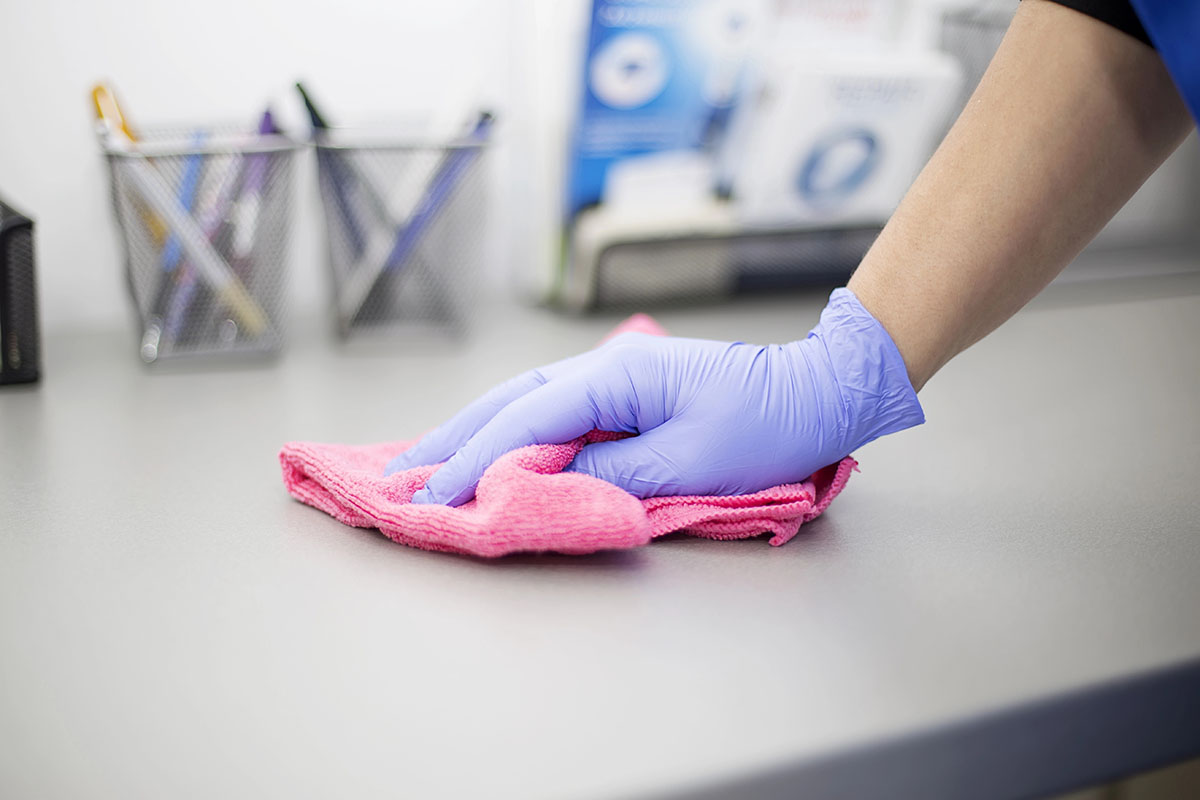
As cooler weather arrives across Central Texas, local business owners and facility managers face a familiar annual challenge. Respiratory illnesses like the seasonal flu, norovirus, and common colds quickly begin circulating through offices, retail storefronts, and commercial facilities.
Maintaining a clean workspace is an operational strategy that protects your employees, safeguards your bottom line, and reassures visiting clients. Implementing a targeted seasonal disinfection plan allows commercial facilities across to reduce pathogen transmission.
Targeted commercial disinfection practices help prepare your workplace for the upcoming viral season.
High-Touch Hotspots in the Workplace
Commercial disinfection starts with identifying where pathogens accumulate and spread. Viral particles can survive on hard surfaces for up to 24 hours. When an infected employee touches a surface, those microbes transfer to co-workers.
Facility Restrooms
Restrooms represent the highest-density zone for bacteria and cross-contamination. Flush handles, faucet levers, stall latches, paper towel dispenser levers, and entrance door handles require daily targeted sanitization. Converting to automated, touch-free fixtures minimizes physical contact and reduces germ transmission.
Breakrooms and Shared Kitchens
Communal kitchens are frequent viral gathering spots. Refrigerator handles, microwave keypads, coffee maker buttons, cabinet pulls, and countertops experience dozens of touches each hour. Because food preparation occurs here, sanitizing these surfaces with food-safe, EPA-registered products is vital.
Common Workstations and Tech Devices
Shared copy machines, conference room tables, touchscreens, phone handsets, and desk surfaces harbor significant microscopic debris. Regular cleaning routines must include surface-safe disinfecting wipes or microfiber protocols specifically suited for electronics.
Strategic Steps for Seasonal Viral Preparation
A successful viral defense plan requires moving beyond basic tidying. Commercial facilities must establish a routine that combines proper chemical selection, correct application techniques, and scheduled intervention.
1. Distinguish Between Cleaning, Sanitizing, and Disinfecting
Many facility managers use these terms interchangeably, but they serve distinct functions:
- Cleaning: Removes dirt, dust, and organic matter from surfaces using soap and water. It lowers germ counts but does not necessarily kill them.
- Sanitizing: Lowers the number of germs on a surface to levels deemed safe by public health standards.
- Disinfecting: Uses specialized chemicals to destroy active viruses and bacteria on surfaces. Disinfecting hard surfaces after thorough cleaning is necessary during peak flu months.
2. Respect Chemical Dwell Times
A common mistake during routine office cleaning is spraying a disinfectant and immediately wiping it dry. Every EPA-registered disinfectant requires a specific dwell time, which is the amount of time the solution must remain visibly wet on a surface to neutralize targeted viruses. Depending on the product formula, dwell times range from 30 seconds to 10 full minutes. Verify that your janitorial staff or service provider adheres to product dwell guidelines.
3. Transition to Touch-Free Restroom Solutions
Eliminating shared touchpoints breaks the chain of infection. Converting traditional fixtures into touch-free systems increases overall hand hygiene:
- Automatic Soap Dispensers: Allows employees to use consistent chemical volume without touching pumps.
- Touchless Paper Towel Rollers: Eliminates contaminated levers and cuts paper waste.
- Hands-Free Faucets and Flush Valves: Reduces surface contamination at the source.
Supporting Indoor Air Quality and Hand Hygiene Protocols
Surface disinfection represents half of a thorough seasonal strategy. Airflow management and individual hygiene support create a total barrier against seasonal illnesses.
Replenishing Hand Care Supplies
Handwashing remains the primary defense against catching and spreading viruses. Facilities must keep hand soap dispensers, instant hand sanitizing stations, and paper towels consistently stocked. Placing hand sanitizer stands near high-traffic entrances, elevator banks, and reception desks encourages frequent use throughout the day.
Optimizing Air Circulation and Scent Management
Central Texas weather during late autumn and winter often forces facilities to operate HVAC systems continuously with closed doors and windows. Poor air ventilation allows viral particles and stagnant odors to concentrate inside enclosed spaces. Utilizing commercial air freshening systems alongside clean air filters improves air quality and maintains a fresh indoor atmosphere.
Commercial Industry Cleaning Comparison
Different industries require specific hygiene approaches depending on traffic and operational needs:
- Corporate Offices: Focus on shared desks, conference rooms, breakroom appliances, and door hardware. Apply daily surface wipes, weekly deep sanitization, and desk wipe distribution.
- Retail and Showrooms: Focus on checkout counters, POS terminals, entry handles, and display racks. Perform spot cleaning during business hours and complete nightly disinfection. Place high-capacity hand sanitizer stands at entry doors.
- Medical Clinics: Focus on waiting room seating, check-in kiosks, examination tables, and restrooms. Execute multi-time daily hospital-grade disinfection using fast-acting EPA-registered products.
- Educational and Childcare: Focus on play areas, shared desks, restrooms, and cafeteria tables. Perform twice daily high-touch wipes and nightly deep treatment using eco-friendly EPA-registered sanitizers.
FAQs
What is the difference between daily commercial cleaning and deep virus disinfection?
Daily commercial cleaning focuses on surface maintenance, sweeping, emptying trash, and clearing visible dirt. Deep virus disinfection utilizes specialized EPA-registered chemicals and techniques engineered specifically to eradicate microscopic pathogens across high-touch surfaces.
How often should high-touch areas be disinfected during flu season?

In typical corporate settings, high-touch areas like restrooms, breakrooms, and door handles should be disinfected at least once daily. High-traffic environments like healthcare clinics, retail stores, or childcare centers require spot disinfection multiple times during business hours.
Can dirty mops or cleaning rags spread cold and flu viruses around an office?
Yes. Traditional mops and reusable sponges can store bacteria and cross-contaminate clean areas if they are not regularly laundered or changed. Using color-coded microfiber cloths and flat-mop systems with fresh chemical solutions prevents moving pathogens from one room to another.
Why are touch-free restroom fixtures recommended for seasonal virus protection?
Touchless fixtures eliminate physical contact with surfaces where germs gather rapidly, such as flush valves, soap levers, and towel handles. Removing these shared contact points cuts down cross-contamination risks among employees and visitors.
How can a business manage janitorial supply inventories during peak illness months?
Surges in flu cases lead to supply shortages of hand soap, paper products, and sanitizers. Partnering with a dedicated local hygiene service provider ensures your inventory is managed and restocked on a predictable schedule without stocking issues.
Protect Your Central Texas Workplace Health

Protecting your workplace against seasonal flu and viral surges requires a consistent, practical strategy. Relying on basic cleaning routines is rarely enough when winter illnesses begin to spread through local communities. By prioritizing high-touch surface disinfection, implementing touchless restroom technology, and keeping essential supplies fully stocked, you create a safer, healthier environment for your team and clients alike.
For business owners and facility managers across the region, maintaining a clean facility does not have to be a complex burden. Business Hygiene provides specialized restroom sanitation, touch-free equipment installation, continuous air freshening solutions, and reliable janitorial supply deliveries tailored to your facility’s exact needs. Reach out to Business Hygiene today to schedule a consultation and secure dependable hygiene solutions for your workplace.