

Waste management gets treated like a janitorial afterthought, but it’s really an operational issue. How you handle waste affects your budget, employee safety, how customers see you, and whether you stay on the right side of regulations.
And no, one plan doesn’t cover everything. A corporate office produces completely different waste than a busy retail store or a medical clinic. Getting this right means understanding what your facility actually generates and building a program around that reality.
Foundational Best Practices for Any Business
A few principles apply everywhere, regardless of industry.
Conduct a waste audit
You can’t fix what you haven’t measured. Figure out what you’re actually throwing away. A basic audit shows you the types and volumes of waste your facility produces and where the biggest recycling and cost-saving opportunities are.
Set up a clear sorting system
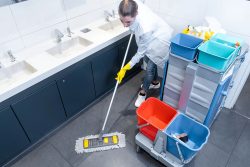
Good recycling starts with bins people can actually understand. Use standardized colors and simple graphics for landfill, recycling (paper, plastics, glass), and organics. Put them in breakrooms, copy rooms, and anywhere people gather.
Train your team
Your program only works if people follow it. Give employees clear guidance on what goes where, put up signage, and send reminders. Without buy-in, even the best system falls apart.
Tailored Strategies for Different Environments
The modern office
Offices generate a lot of paper and electronic waste. The focus should be on recycling and data security.
- Paper and cardboard recycling. Put paper recycling bins at every desk and next to every printer. Keep larger bins around for cardboard from office supplies and equipment deliveries.
- Secure document destruction. Anything with financial or personal information can’t just go in the recycling bin. Set up a shredding program with a professional service to stay compliant with privacy regulations.
- E-waste management. Old computers, monitors, printers, and phones contain hazardous materials. They can’t go in regular trash. Create a dedicated collection point and work with a certified e-waste recycler.
- Breakroom waste. Provide reusable dishes and cutlery to cut down on disposables. Add a compost or organics bin for food scraps, coffee grounds, and paper towels. It diverts more waste from landfills than most people expect.
The retail space
Retail stores deal with high volumes of packaging and customer-generated waste. The priorities are efficiency, cost control, and keeping things looking clean.
- Cardboard management. Incoming inventory generates a lot of cardboard, often more than anything else. For high-volume locations, a cardboard baler pays for itself. Baled cardboard is worth more to recyclers, and you’ll need fewer pickups.
- Plastic film recycling. Pallet wrap and product packaging film are recyclable. Set up a collection program to keep this soft plastic out of the landfill.
- Customer-facing bins. Make sure there are enough clearly labeled recycling and trash bins for customers. How these public areas look reflects directly on your brand. A professional cleaning service helps keep them consistently maintained.
The medical facility

Medical waste management is the most tightly regulated because of the risks involved. Safety, compliance, and preventing cross-contamination come first.
- Strict segregation is non-negotiable. The single most important practice is keeping general waste completely separate from regulated medical waste (RMW). General waste is paper towels, food wrappers, office paper. RMW is anything contaminated with blood or other potentially infectious materials.
Regulated medical waste (RMW) handling:
- Sharps: All needles, scalpels, and other sharp objects go immediately into designated, puncture-proof sharps containers.
- Biohazard bags (red bags): Items saturated with blood or infectious fluids (gauze, gloves, etc.) go into marked red biohazard bags.
Compliance and training. Staff need thorough training on OSHA regulations and proper handling procedures. Working with a licensed RMW disposal company isn’t optional. It’s a legal requirement.
General waste program. Even in a medical setting, recycling paper, cardboard, and plastics from administrative areas can cut costs and reduce environmental impact.
FAQs
How can a better waste management program save my business money?

There are a few ways. More recycling means less waste going to the landfill, which lowers hauling fees. A waste audit can help you right-size your dumpster and pickup schedule so you’re not paying for service you don’t need. And proper disposal of hazardous materials keeps you from getting hit with fines.
What is the difference between general waste and regulated medical waste (RMW)?
General waste is standard trash with no infectious risk: office paper, packaging, food wrappers. Regulated medical waste is anything saturated with blood or other potentially infectious materials. It requires special handling and disposal under federal and state law. That includes used sharps, contaminated gloves, and saturated gauze.
How do I encourage employees and staff to participate in our recycling program?
Make it easy and obvious. Use color-coded bins with simple, graphic-based signage right above them. Run a quick training session during onboarding and send occasional reminders. And make sure management is visibly doing the same thing.
Why should I hire a professional service for waste management and cleaning?
Consistency, mostly. Professional janitorial services know best practices for waste sorting and handling, including compliance requirements for medical facilities. It frees your staff to do their actual jobs, reduces the risk of improper disposal, and keeps your facility looking presentable.
How often should commercial trash be removed?

It depends on your facility’s size and traffic. Most offices need daily removal of general waste. Retail stores and medical facilities may need checks several times a day to prevent overflow and keep things hygienic.
What is the difference between general waste and regulated medical waste?
General waste covers non-hazardous materials like paper and food scraps. Regulated medical waste includes items contaminated with blood or bodily fluids, sharps, and certain pharmaceuticals. Medical waste has to follow specific disposal regulations.
Why is proper waste segregation important?
It prevents cross-contamination, supports recycling, and keeps you compliant with local regulations. It also reduces health risks and makes your facility cleaner overall.
Can a commercial cleaning company manage recycling programs?
Yes. Many professional cleaning providers help with recycling setup, collection coordination, and ongoing management.
How does waste management impact customer perception?

Clean, well-maintained waste areas look professional. Overflowing or unsanitary bins make a bad impression on clients and customers, no matter how good the rest of your business looks.
Building a Cleaner, Safer Facility
Waste management is a real operational function, not busywork. Done well, it improves workplace safety, controls costs, and shows that your company takes responsibility seriously. But the approach needs to fit your specific environment, whether that’s an office, a store, or a clinic.
These practices move waste management from a daily chore to something that actually supports your operations. A professional janitorial service like Business Hygiene can make sure the program stays consistent over time, not just during the first week after rollout.