
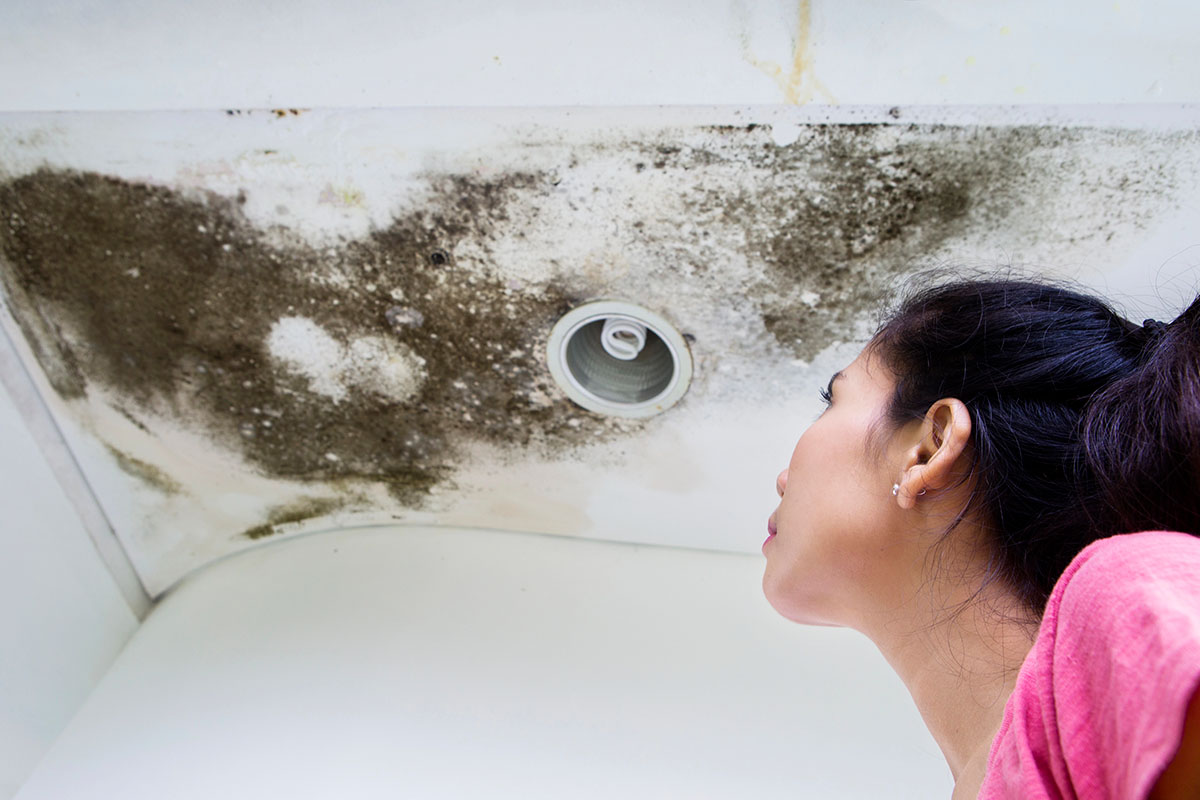
That unmistakable musty smell. It’s the scent of damp basements, closed-up vacation homes, or the corner of an office that never seems to get enough airflow. This odor isn’t just unpleasant; it’s a critical warning sign from your building. Ignoring it is like ignoring the check engine light on your car. The problem rarely resolves itself and almost always gets worse.
For businesses, a persistent musty odor can damage customer perception and raise concerns about employee health and wellness. For homeowners, it compromises comfort and can signal underlying issues that threaten property value. Understanding the source of this odor is the first step toward effective prevention and remediation, creating a healthier, more pleasant environment for everyone.
The Science Behind That Musty Smell
Mold and mildew are both types of fungi that thrive in damp, dark, and warm environments. The musty odor they produce comes from Microbial Volatile Organic Compounds (MVOCs), which are gases released during the fungus’s metabolic processes. Essentially, what you are smelling is the active off-gassing of a living, growing microbial colony.
This is why simply masking the odor with air fresheners is an ineffective long-term strategy. You might cover the smell for a few hours, but you haven’t addressed the active source. If the mold or mildew continues to grow, it will continue to produce MVOCs, and the unpleasant smell will return.
The Three Ingredients for Fungal Growth

Mold and mildew require three things to grow. Understanding this “recipe” is the key to preventing them from ever taking hold in the first place.
- Moisture: This is the non-negotiable ingredient. Without excess moisture, mold cannot grow. Common sources include plumbing leaks, roof leaks, high indoor humidity (above 60%), condensation on windows or pipes, and slow-drying spills.
- A Food Source: Mold can feed on a wide variety of organic materials commonly found in buildings, including drywall paper, wood, dust, fabrics, carpet backing, and soap scum.
- A Suitable Temperature: Most molds thrive in temperatures that humans also find comfortable, typically between 60 and 80 degrees Fahrenheit.
Since organic food sources are nearly ubiquitous in any building and temperature is rarely adjustable for mold prevention, controlling moisture is the most effective proactive strategy you can employ.
A Proactive Approach to Prevention
The most cost-effective way to deal with mold and mildew is to prevent it from starting. This requires a focus on moisture control and routine maintenance.
- Manage Humidity Levels: Maintain indoor humidity below 50%. Use dehumidifiers in basements, crawl spaces, and other damp-prone areas. Ensure bathrooms and kitchens are equipped with properly functioning exhaust fans, and run them during and after showers or cooking to vent moist air outside.
- Inspect for and Repair Leaks: Regularly check for signs of water intrusion. Look for water stains on ceilings, damp spots under sinks, and evidence of leaks around windows and foundations. Addressing a small leak immediately can prevent a large-scale mold problem later.
- Promote Air Circulation: Stagnant air allows moisture to settle and humidity to rise. Use fans to improve airflow in stuffy rooms, and avoid pushing furniture directly against walls, which can trap moisture. In commercial settings, ensure HVAC systems are properly maintained for optimal airflow and humidity control.
- Perform Regular, Thorough Cleaning: Dust and organic debris serve as a food source for mold. Regular cleaning with effective products removes this fuel source. Pay special attention to cleaning shower stalls, grout lines, and areas under sinks where moisture and organic matter can accumulate.
Remediation: When You Already Have a Problem
If the musty smell is already present, it’s time to move from prevention to remediation. The approach depends on the scale of the problem.
For Small, Contained Areas (less than 10 square feet):
- Safety First: Wear protective gear, including non-porous gloves and an N95 respirator mask, to avoid inhaling mold spores.
- Isolate and Ventilate: If possible, ventilate the area by opening windows or using fans that exhaust to the outside.
- Clean with an Appropriate Solution: Use a professional-grade antimicrobial cleaner or a solution designed for mold and mildew. Scrub the affected surface thoroughly to remove all visible growth. It is important to remove the mold physically, not just spray it.
- Dry Completely: The area must be dried thoroughly and quickly (within 24-48 hours) to prevent regrowth. Use fans or dehumidifiers to accelerate the drying process.
- Address the Odor: Once the source is removed, use an odor-neutralizing product, not just a masking agent. Enzymatic cleaners are particularly effective at breaking down organic compounds that cause lingering smells.
For Large or Widespread Problems:

If the mold covers an area larger than 10 square feet, is inside walls, or is related to sewage or contaminated water, it’s best to consult a professional remediation company. They have specialized equipment and training to handle extensive contamination safely and effectively.
FAQs
What’s the difference between mold and mildew?
Mildew is a specific type of mold, often appearing as a flat, powdery growth that is gray or white. Other molds can be black, green, or blue and may have a fuzzy or slimy texture. Both are fungi and require similar remediation strategies.
Is bleach an effective solution for killing mold?
While bleach can kill surface mold on non-porous surfaces like tile, it is not effective on porous materials like wood or drywall. The water in the bleach solution can soak into the material, potentially feeding mold growth beneath the surface. Professional antimicrobial products are a more effective choice.
Can a musty smell be harmful to your health?
Yes. The MVOCs that cause the odor can cause headaches, dizziness, and nausea in sensitive individuals. Furthermore, the presence of the odor indicates the presence of mold spores, which can trigger allergic reactions, asthma attacks, and other respiratory issues.
How can I get a musty smell out of fabrics or upholstery?

For washable fabrics, use a heavy-duty detergent and add a cup of white vinegar or a specialty laundry additive designed to fight odors. For non-washable upholstery, have it professionally cleaned. Ensure items are completely dry before storing or using them.
How long does it take for mold to grow after a water leak?
Under ideal conditions, mold can begin to grow within 24 to 48 hours after a water event. This is why quick and thorough drying is absolutely critical after any leak, spill, or flood.
Getting Ahead of the Problem
Mold and mildew odors tell you something’s wrong before you can see the full extent of the problem. That musty smell is an early warning system that moisture control has failed and fungal growth has established itself somewhere in your building.
Addressing these odors effectively requires going beyond surface cleaning and air fresheners to actually identify moisture sources, remediate existing growth, and implement prevention strategies that keep problems from recurring. It’s more involved than masking the smell, but it’s the only approach that actually works long-term.

The right products matter, but so does understanding when professional help makes sense. Knowing the difference between a situation you can handle with proper antimicrobial cleaners and one that requires professional remediation prevents wasted time and money on approaches that won’t work.
Mold and mildew problems are fundamentally moisture problems. Control moisture and you control fungal growth. Let moisture persist and no amount of cleaning will permanently eliminate the odors that tell you something’s growing where it shouldn’t be.